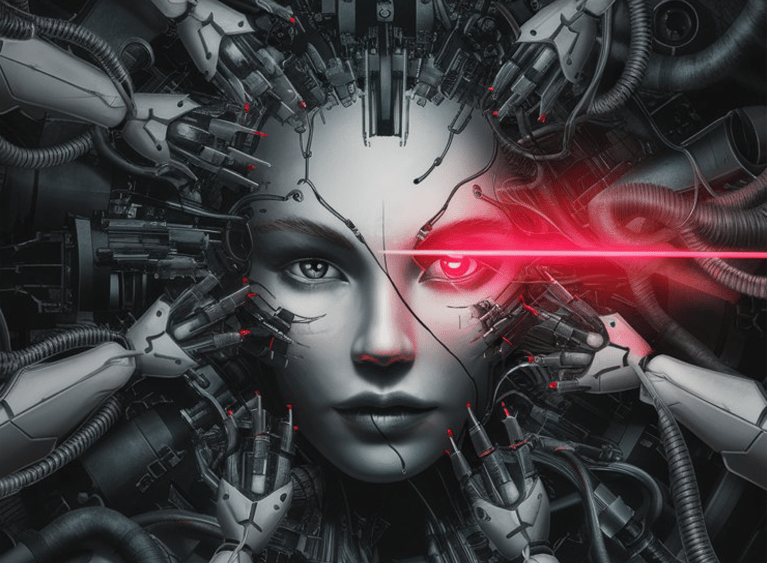
How many hours did you spend in Photoshop designing social media posts, making sure you adjusted the right layers? Selecting a font? Deciding on colors? Depending on the size of your graphics, it could have taken you a few days until they were complete. Now, Artificial Intelligence will allow you to create a mock-up in under 60 seconds.
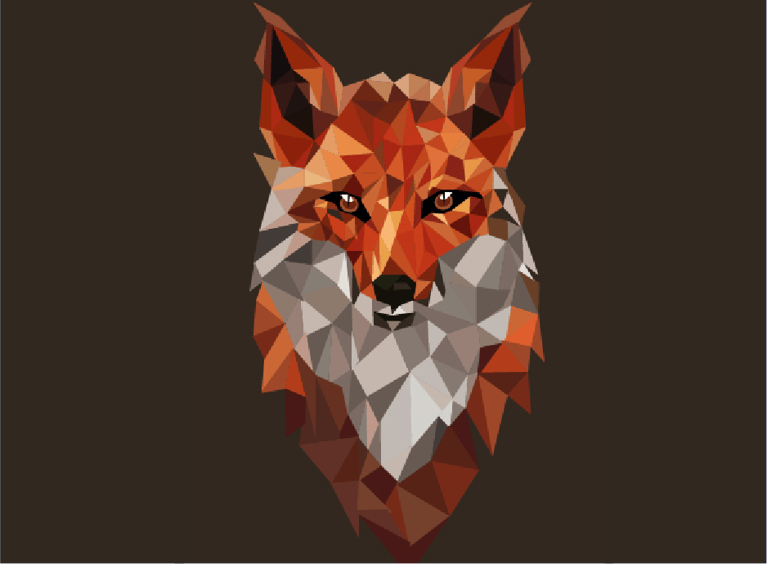
If you're contemplating pursuing a career in graphic design whether AI will replace designers, your answer is yes and no. AI is transforming everything; however, designers who adapt won't be losing their jobs to AI, but designers who do not will. You will find the designers who will continue to thrive through 2026 are those who have a fundamental understanding of design and can use AI as a design tool rather than a design crutch. A good graphic design diploma course teaches students how to do this.
How Artificial Intelligence (AI) Affects Graphic Designs
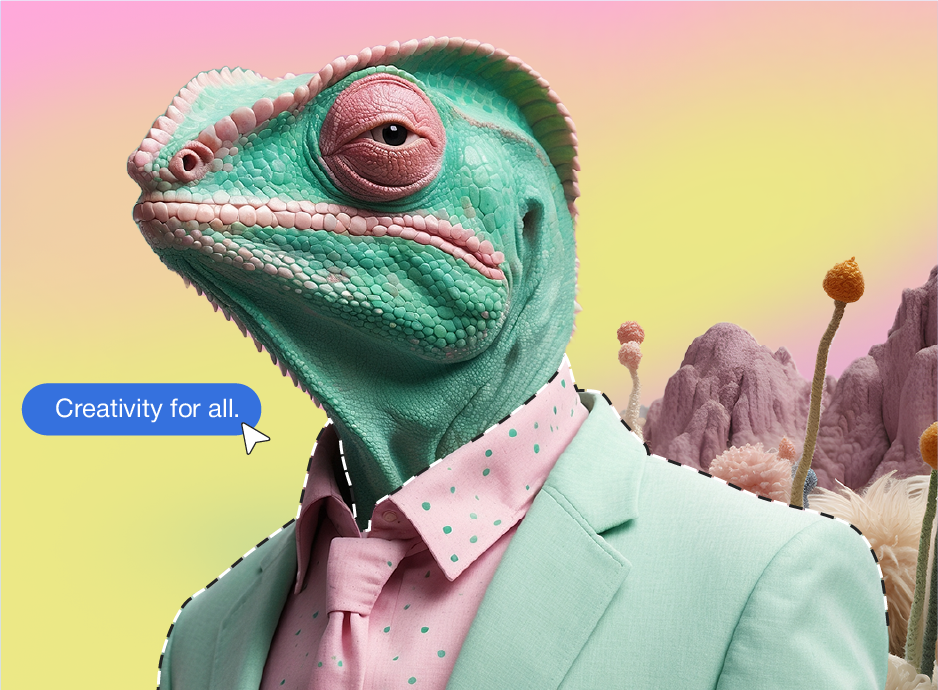
There's no reason to be coy about this; they're rapidly transforming how creative tasks are performed with the assistance of AI applications like Adobe Firefly (Adobe.js), Mid-Journey (midjourney.com), Canva (canva.com) and even using chat.GPT-based graphic design assistant tools (chatgpt.ai).
The primary places we've seen AI starting to transform graphic design include:
- Increasing the speed of repetitive task completion- resizing images for different platforms, generating multiple versions, or auto-correcting colour imbalances now takes seconds instead of hours
- Providing fast visual idea generation - when a client needs concept boards on a tight deadline, AI can generate ten directions in the time a designer would normally spend on one
- Assisting non-designers to create designs – small business owners, freelancers, and social media marketers increasingly use AI to put together simple visuals without hiring a designer.
However, there are several things that AI cannot currently achieve (and this is significant).
AI Can’t Take the Place Of:
AI only uses existing data, patterns, and other things to create through its own resources or experiences. It cannot feel; it does not think; it does not understand the way a person who is a professional designer can understand a client's story.
There are things AI will never be able to do, such as:
- Think strategically. Is this particular brand going to be perceived as trustworthy; what kinds of emotions will this advertisement generate?
- Understand cultural differences. Certain colours are interpreted differently around the world, so the same colour can sometimes work in one market and not in others. AI lacks the human ability to intuitively understand cultural nuances.
- Ability to communicate effectively with clients. It takes empathy to determine what a client means when he asks to "make something pop." An algorithm cannot replace someone's emotional intelligence or life experience.
- Creatively find solutions to problems that have never been solved before. Great design outcomes typically not only look good but also successfully solve a problem that others had never thought of. That "light bulb" moment is still something that only a human can have.
Because of this, all aspects of the creative process will continue to exist into the foreseeable future and possibly will become more valuable given that AI can be used to optimize it.
Why Design Basics Are More Important Than Before
Owning a camera doesn't make someone a photographer, and having design software doesn't make someone a designer. The same logic applies to AI. The designers known for strong work are the ones trained to understand why good design works, not just which buttons to push. Here are some design basics a graphic designer must master.
- Typography — pairing fonts, setting hierarchy, using spacing to guide the reader — this is a learned skill, not something a prompt gives you
- Colour theory — building a brand's palette and understanding the emotional weight of colour combinations requires a trained eye, even when AI suggests the starting point.
- Layout and composition — these principles predate computers and still govern how a design is read; designers who know them direct AI instead of accepting its first output
- Brand identity — turning a company's personality into a visual mark takes research and judgment that AI alone can't replace
The need for structured diploma courses continues because they not only teach you the tools used in design, but they also develop the design brain.
Career Opportunities for Graphic Designers in 2026
If you're wondering whether graphic design is still a good career bet — the numbers say yes.
The demand for skilled designers continues to grow across industries. Every brand, startup, content creator, and business needs visual communication. And now, with AI in the mix, companies are looking for designers who can manage AI workflows, not just operate design software.
Some of the most in-demand roles right now:
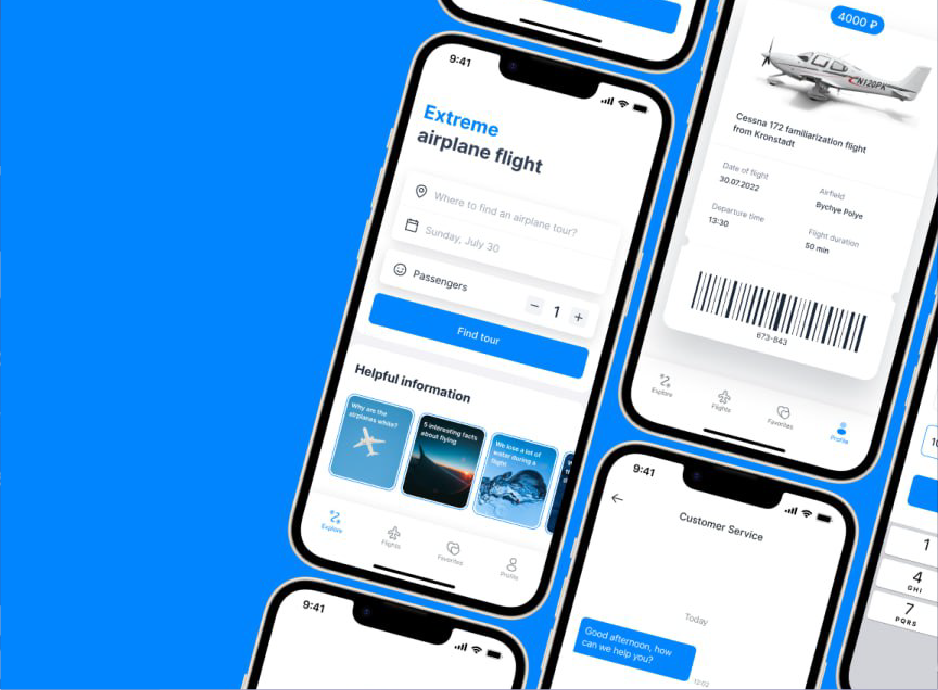
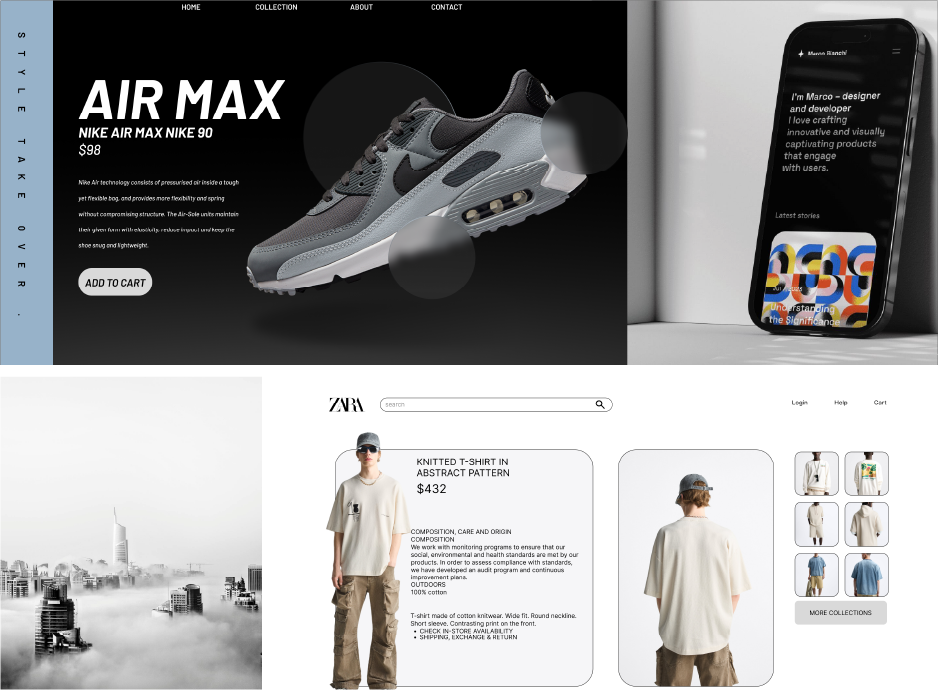
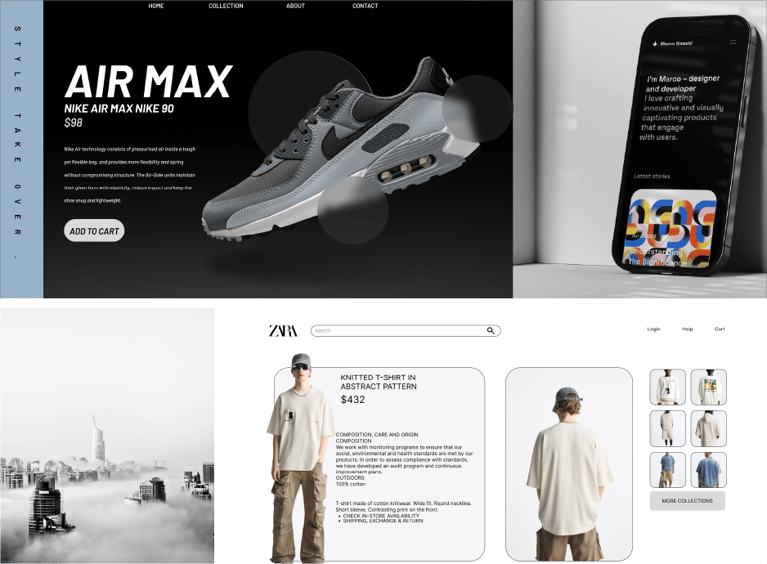
- UI/UX Designer - creating the user experience for apps and websites
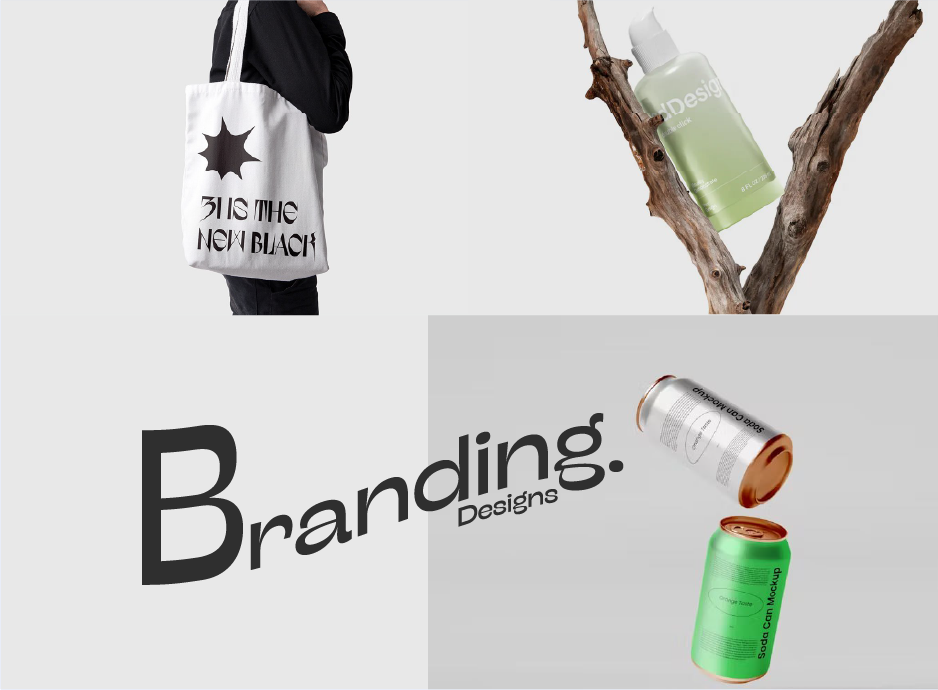
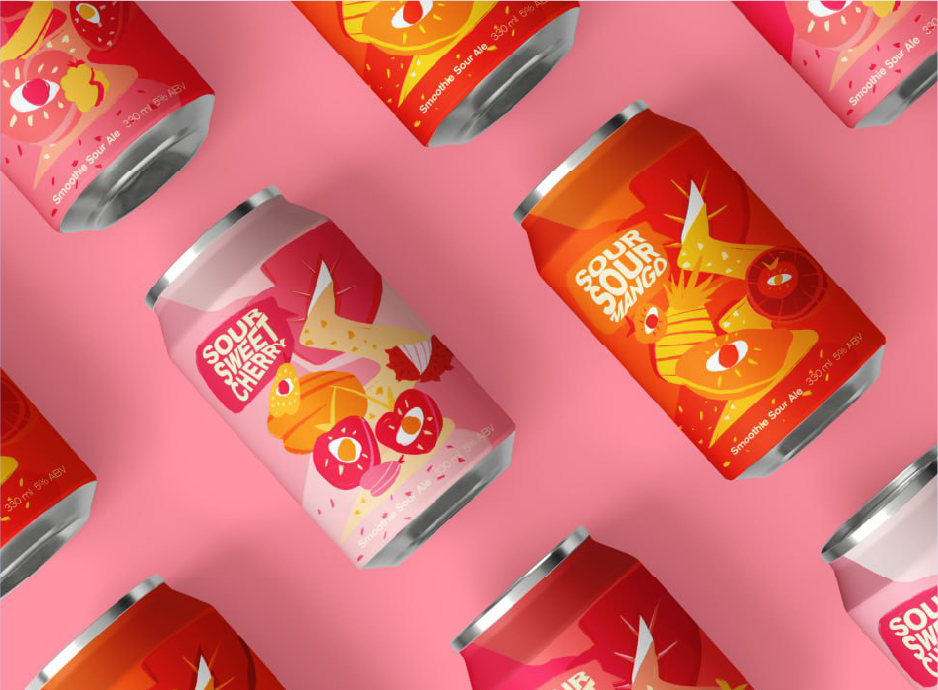
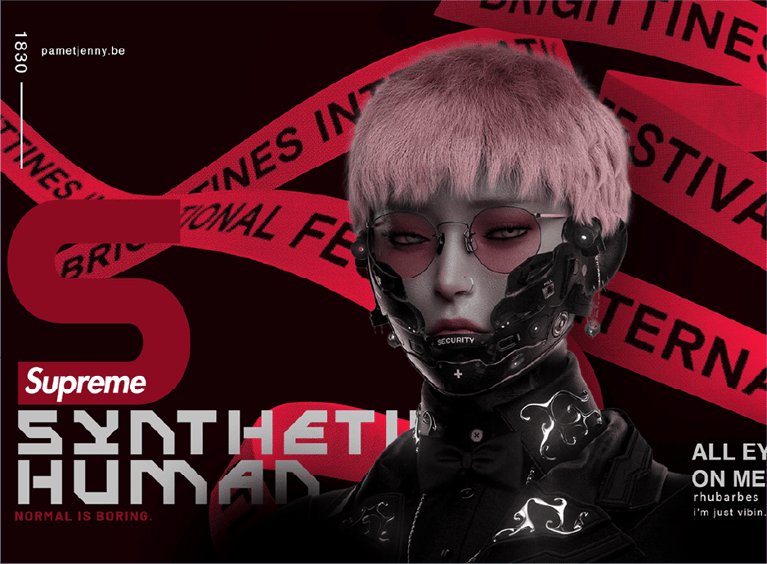
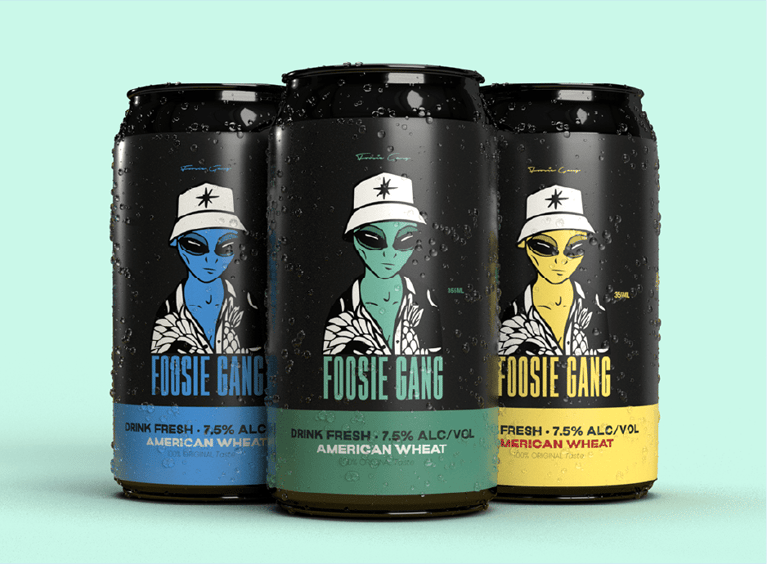
- Brand Identity Designer - creating the look and feel of a brand
- Social Media Designer - creating social media content that makes people pause their scroll
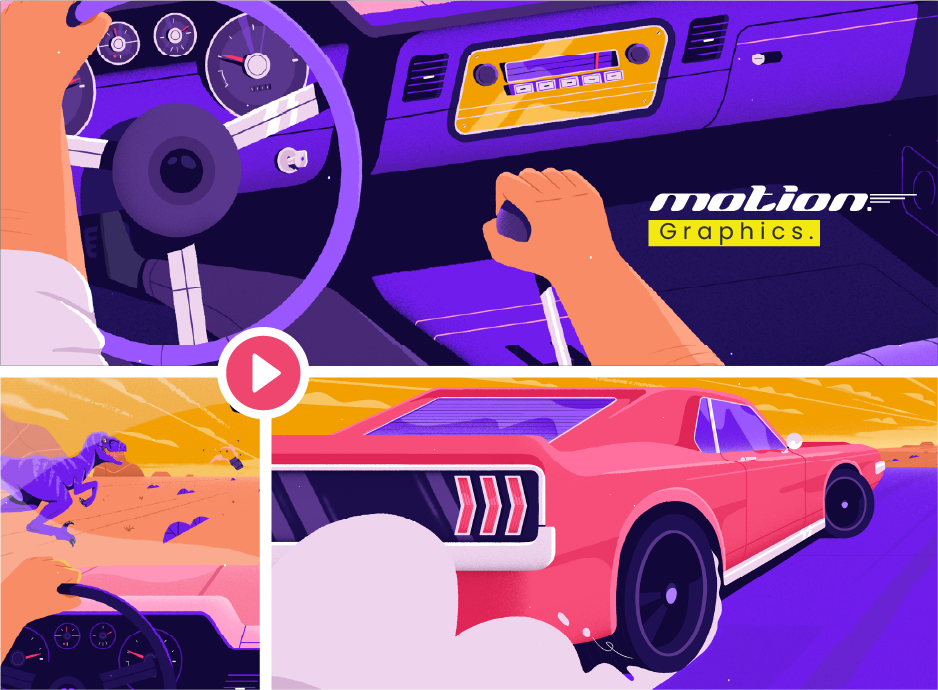
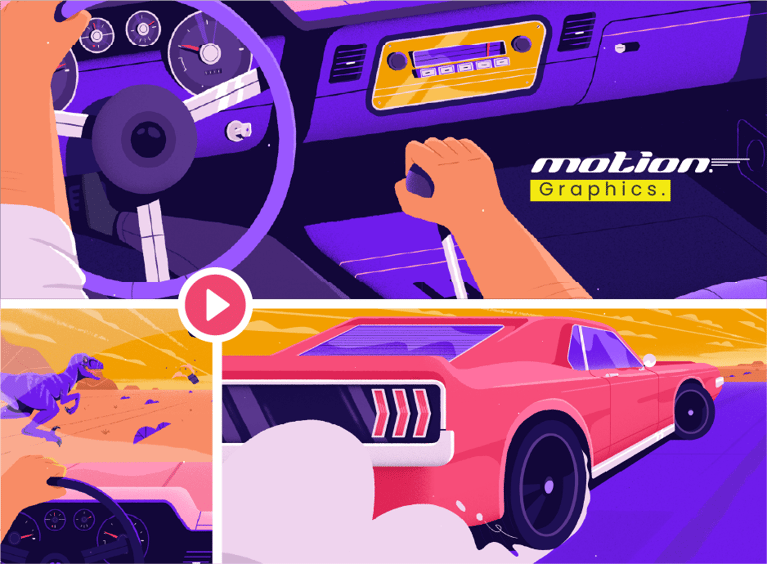
- Motion Graphics Designer - creating animated videos for reels, advertising, and video explanations
Career Growth Path
| Role |
Experience |
Typical Package |
| Graphic Designer |
1–3 years |
3–5 LPA |
| Senior Graphic Designer |
3–5 years |
6–9 LPA |
| Visualizer |
5–7 years |
10–15 LPA |
| Creative Director |
7+ years |
18–25+ LPA |
The other area where there's huge potential lies in freelancing. Platforms like Fiverr, Toptal, and LinkedIn have many companies searching for a designer capable of delivering high-quality designs in a short time period – precisely what you would get from a good diploma course.
How a Diploma in Graphic Design Course Prepares You for This Reality
Here is the difference that you miss when you consider getting an education in design: watching tutorials on YouTube and randomly enrolling in online courses gets you small pieces of information. A diploma provides you with the whole picture.
A properly designed diploma course in graphic design will include:
- Basic design fundamentals: ensuring that everything else you learn has a good basis in place
- Software: Photoshop, Illustrator, InDesign, and AI-based tools
- Projects: creating real portfolios, not only assignments
- Guidance and feedback from experts: learning from those who already gained experience working in this field
- Job placement opportunities: helping you connect with companies where positions are available
Graphic design diploma courses in Delhi carry an added advantage simply because of geography. The Delhi-NCR region is dense with design, advertising, e-commerce, and media agencies actively hiring junior talent. Selecting an institution with a good placement cell is imperative.
A 6-month diploma is the most practical path you can take if you don't want to spend 3-4 years in a degree program before entering the workforce. At Dice Academy, you’ll learn to build a portfolio through live projects, you get placed through a dedicated placement cell, and you start earning while your peers are still studying.
Mansi Verma, a graphic design graduate, credits the academy's attentive tutors and structured guidance as a major factor in shaping her career, exactly the kind of mentorship that turns a 6-month timeline into a real industry-ready skill set, not a rushed one.
FAQs
Do I need prior design experience to enrol in a graphic design diploma?
Not really. Most diploma courses, including those offered by Dice Academy, are designed for beginners and require only basic computer literacy and the ability to use the internet and read/write to enrol.
What software and AI tools will I learn?
One can expect to be taught how to use key design software like Photoshop, Illustrator, and InDesign, as well as AI-integrated design software like ChatGPT, Adobe Firefly, and Google Gemini, which are used for idea generation, mock-ups, and accelerating the production process.
What jobs can I get after a graphic design diploma?
Entry-level jobs usually include positions like Graphic Designer, Social Media Designer, Print & Packaging Designer, and Visualiser, with the possibility to move towards more senior Art Director or Creative Director positions.
Is freelancing a realistic option after this diploma?
Yes. Websites such as Fiverr, Toptal, and LinkedIn frequently seek designers able to produce high-quality work in short time spans, which is precisely what the diploma course prepares one for.
How soon can I expect to get a job after completing the course?
With active job placement, graduates usually start receiving interview invitations within two weeks after submitting their placement applications.
Will AI replace graphic designers in 2026?
Not really. While AI accelerates tedious tasks such as resizing images, colour correction, and idea generation, it cannot strategize, understand culture-specific context, or come up with a lightbulb solution for an unprecedented problem. Designers capable of directing AI are the ones in demand.
Start Your Design Journey at Dice Academy
At Dice Academy, the 6-month Graphic Design Diploma is built for exactly this moment, combining strong design fundamentals with modern tools and AI-integrated workflows, so you graduate ready for the industry as it actually is today. Ready to build a career that's creative, future-proof, and in demand? Visit dice-academy.com and book a free counselling session today.






.png?width=146&height=46&name=image%2028%20(1).png)
.png?width=130&height=53&name=image%2027%20(1).png)

.png?width=229&height=20&name=image%2026%20(1).png)




.jpg)





.jpg?width=767&name=movie%20poster%20%20(option%202).jpg)


.png?width=300&name=small_Chitkara_University%20(1).png)
.png?width=300&name=Clove%20(1).png)
BOOK A FREE CONSULTATION