Almost everything you do on a phone, from ordering dinner to paying a bill, runs on an interface somebody built. A front-end development course in Delhi is one of the more practical ways to become that somebody. You can start with no coding background, and within six months you can have working apps in your portfolio. This guide covers what the training should include, how React Native certification course fits in, what fees and salaries look like, and how to pick the right institute.
What Front End and Mobile App Development Means
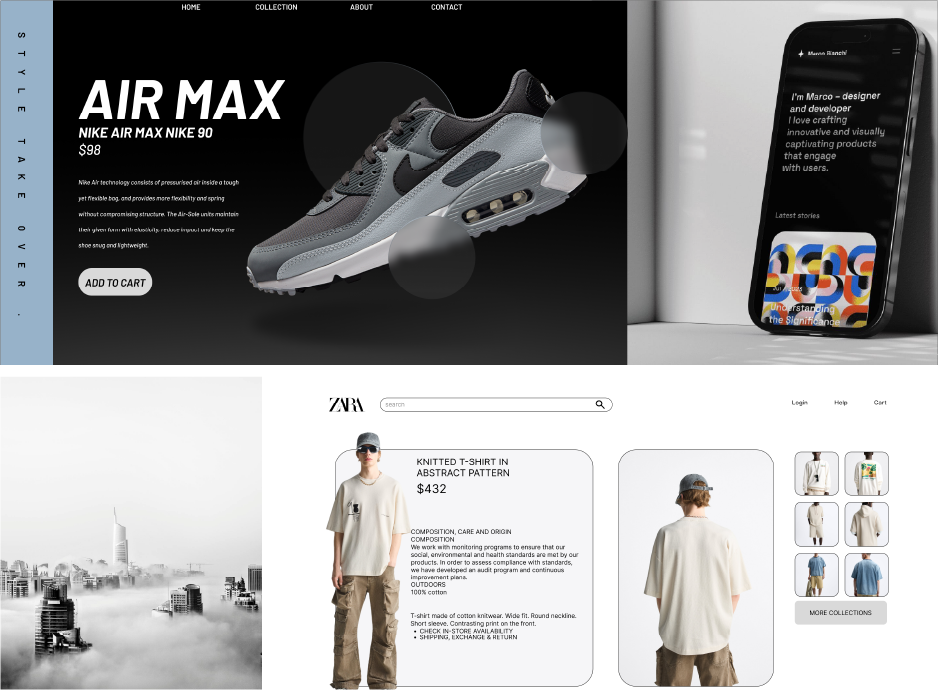
Front-end development is everything a user sees and touches on a website: layouts, buttons, forms, menus. Mobile development applies the same thinking to Android and iOS apps. The two overlap a lot, which is why many learners now pick them up together.
The usual path looks like this:
- Learn HTML, CSS, and JavaScript properly.
- Pick up a framework such as React.
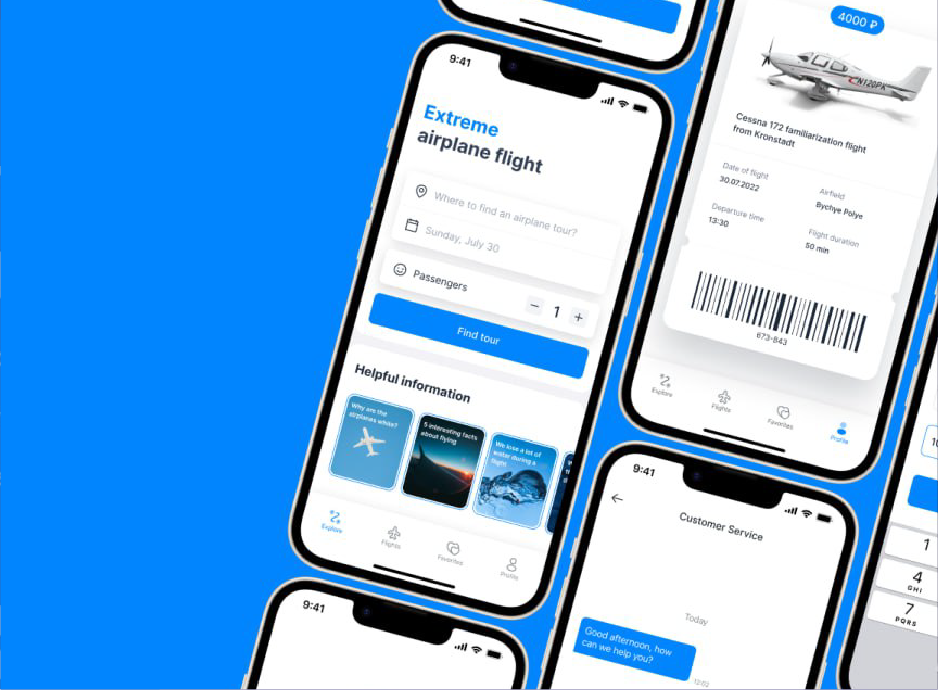
- Move into mobile with React Native.
- Build and publish a few real apps.
- Apply for jobs or take freelance work.
You can teach yourself, but most people move faster when a mentor reviews their code and tells them what’s wrong with it.
Why React Native Is Worth Learning
React Native lets you write one codebase and ship it to both Android and iOS. For companies, that means smaller teams and faster releases. For you, it means one skill set that covers two platforms. It also builds on JavaScript and React, so web knowledge carries straight over. That’s the reason a react native certification course has become a common next step for front end learners in Delhi, and why startups hiring junior developers ask about it so often.
Syllabus: What a Good Course Should Teach
A solid programme balances web fundamentals with mobile skills. Here is what to look for:
- JavaScript (ES6+), HTML, and CSS
- React, with components, props, state, and hooks
- React Native core, plus navigation between screens
- Styling with Flexbox
- State management using Context API or Redux
- REST and GraphQL API integration
- Firebase and Async Storage for data
- Expo and the native CLI
- Git and GitHub for version control
- Publishing to the Play Store and App Store
Tools matter too. You should be working in VS Code, Android Studio, and Xcode, not just reading about them. The best programmes also end with a portfolio app, so you finish with something to show an interviewer.
App Development Course Fees in Delhi
Fees vary with duration, depth, and what’s bundled in. A weekend workshop costs little but won’t make you hireable. Six-month programmes with live projects and placement support sit higher. For reference, Dice Academy’s front end and mobile course typically falls in the Rs 40,000 to 50,000 range, depending on your batch and certification option. When you compare app development course fees in Delhi, look past the headline number. Ask what’s included: lab access, mentor time, project work, interview prep, and placement help. A cheap course with none of those usually costs you more in the end.
Career Options and Salary
Common roles after training include:
- Front end developer
- React Native developer
- Mobile app developer (Android and iOS)
- JavaScript developer
- Cross-platform app developer
- Freelance developer for startups and small businesses
Pay depends on skills, portfolio, and city. Based on Dice Academy’s career data, this is the typical progression:
| Role |
Experience |
Approximate annual salary |
| Front-end developer |
1–3 years |
Rs 4–8 LPA |
| Mobile app developer |
3–5 years |
Rs 9–15 LPA |
| Senior front end / mobile developer |
5–7 years |
Rs 18–30 LPA |
| Application architect |
7+ years |
Rs 18–25+ LPA |
Freshers usually begin as junior developers at around Rs 25,000 to 30,000 a month, and many see a 15 to 30 percent raise in their first year. These are indicative figures, not promises. A strong portfolio moves the number more than anything else.
How to Choose an Institute
Almost every institute claims jobs, so ask for specifics:
- Does the curriculum include React Native, or only basic web design?
- Will you build and publish real apps?
- Are mentors working or former industry developers?
- Can they name hiring companies, not just quote a percentage?
- Are batches small enough for individual feedback?
- Is there a practice lab, in case your laptop struggles with emulators?
If an institute dodges the hiring question, you’ve learned what you needed to know.
Why Dice Academy
Dice Academy’s Front End and Mobile App Development course is a front-end development course in Delhi built to take beginners to job-ready in six months:
- Classes run two hours a day, two days a week, online or offline
- Covers JavaScript, React Native, Redux, REST APIs, Firebase, Expo, and Git
- Includes live code implementation and a portfolio app
- Teaches deployment to both Android and iOS
- Gives access to 20+ AI tools for faster development
- 100% placement guarantee, with 2,700+ companies in the hiring database
- Resume building, soft skills workshops, and mock interviews
- Mentors reachable beyond class hours
- Certification from Dice, with an optional Galgotias University certificate
- Seven branches across Delhi and Noida
No coding background is required. Basic computer, internet, and typing skills are enough.
FAQs
How long does it take to become a front-end or mobile developer?
With a structured programme, most beginners become job-ready in about six months, assuming steady practice between classes.
Do I need to know coding before joining?
No. Beginner batches start from the basics, so you only need to be comfortable using a computer.
Is React Native still a good skill in 2027?
Yes. Companies want one team shipping to both platforms, and React Native does that while building on skills you already have from React and JavaScript.
What salary can a fresher expect?
Roughly Rs 25,000 to 30,000 a month at the start, depending on your portfolio, skills, and interview performance.
Will I get placement support?
Dice Academy offers a 100% placement guarantee, backed by resume building, mock interviews, and direct employer connections.
Ready to start? Visit dice-academy.com and book a free counselling session to find the right front-end development course in Delhi for you.






































BOOK A FREE CONSULTATION