Anyone can find online graphic design courses. The hard part is finding one that leaves you with something an employer will respect. Hiring managers rarely ask which course you took first. They open your portfolio, look at a few pieces, and decide in about a minute whether you can do the job. This guide covers what a good course teaches, what the certificate is worth, and what employers check before they call you for an interview.
What Employers Check First
Most design hiring follows the same order:
- Portfolio. Three to five strong projects beat fifteen average ones. Employers look for variety: a logo, a social media set, a print layout, a packaging mock-up.
- Fundamentals. Is the typography readable? Do the colours work together? Is there a clear visual hierarchy?
- Thinking. Can you explain why you made a choice? Process matters as much as polish.
- Tools. Photoshop, Illustrator, and InDesign are still the baseline in most agencies and in-house teams. Figma and Canva come up often too.
- Communication. Can you take feedback, meet a deadline, and present your work?
A certificate helps at the margins. It shows you finished something structured. But it doesn’t replace the portfolio.
What a Good Course Should Teach
Strong online graphic design courses cover both craft and application:
- Design principles, layout, and visual hierarchy
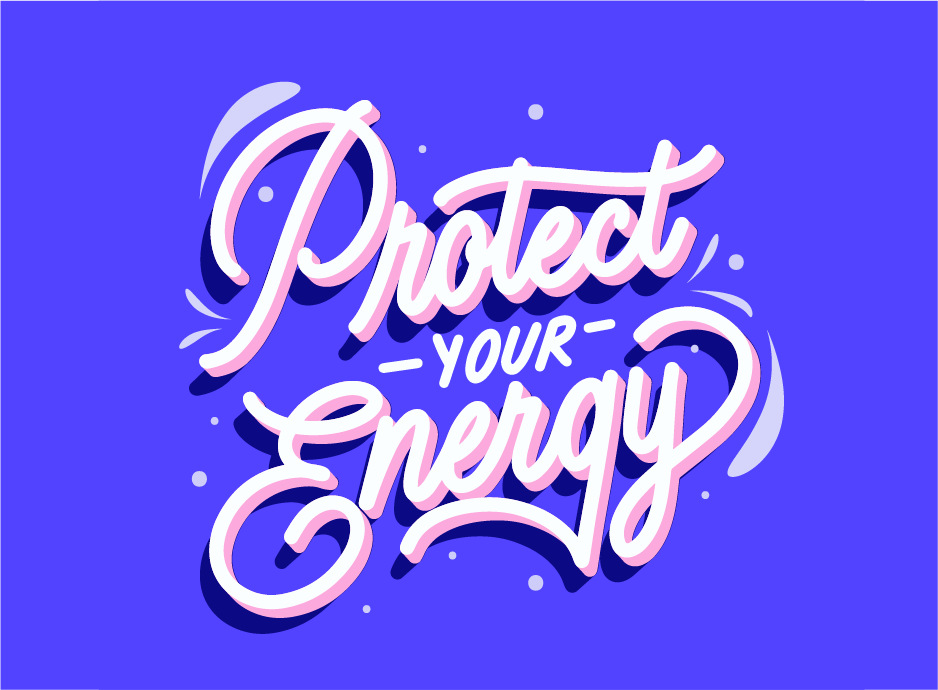
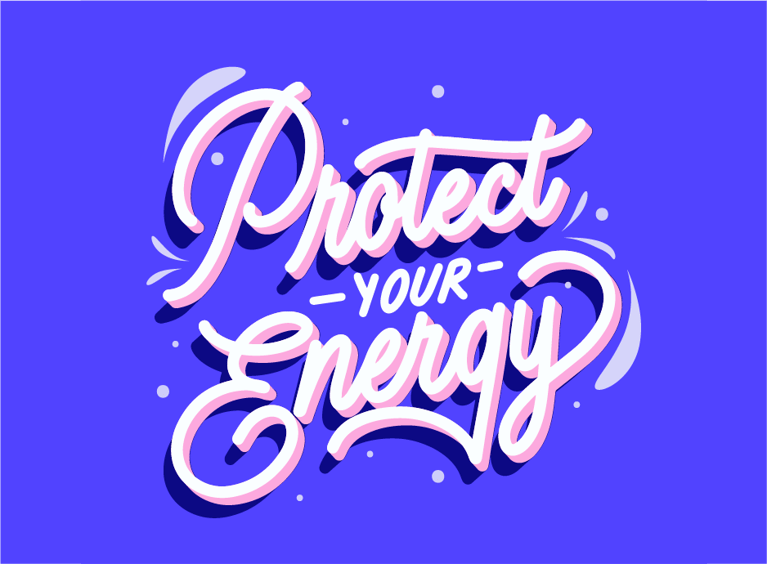
- Typography and colour theory
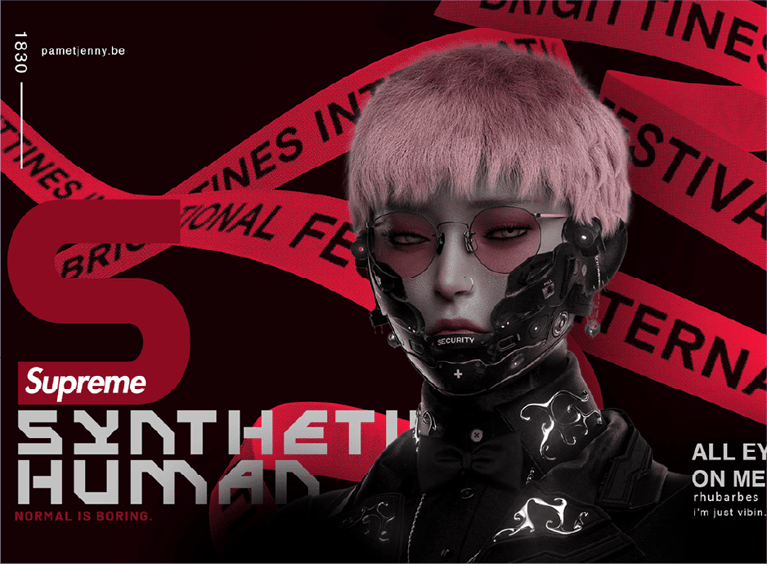
- Image manipulation and retouching
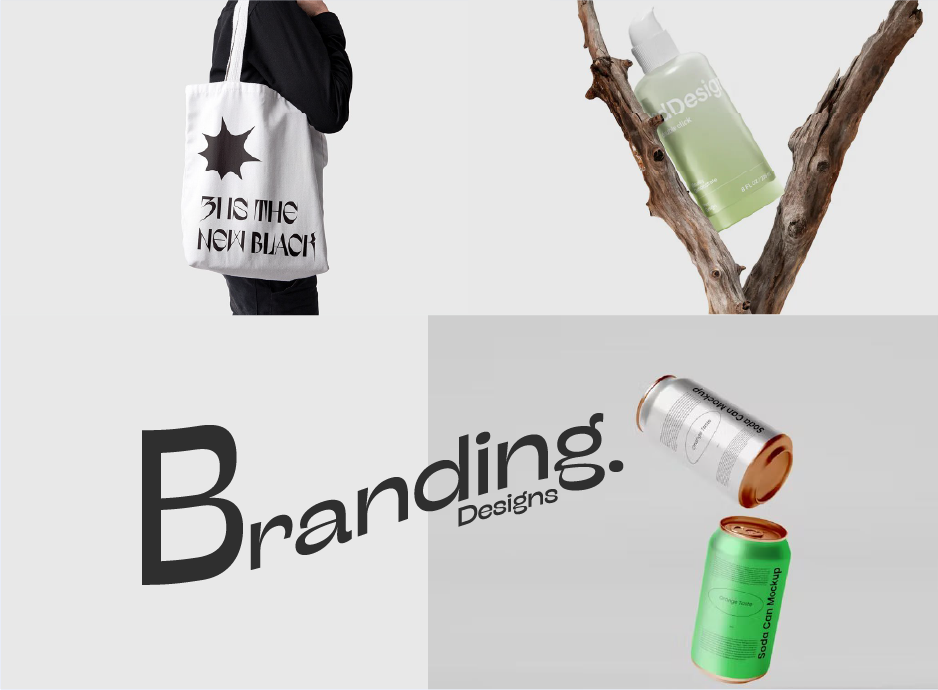
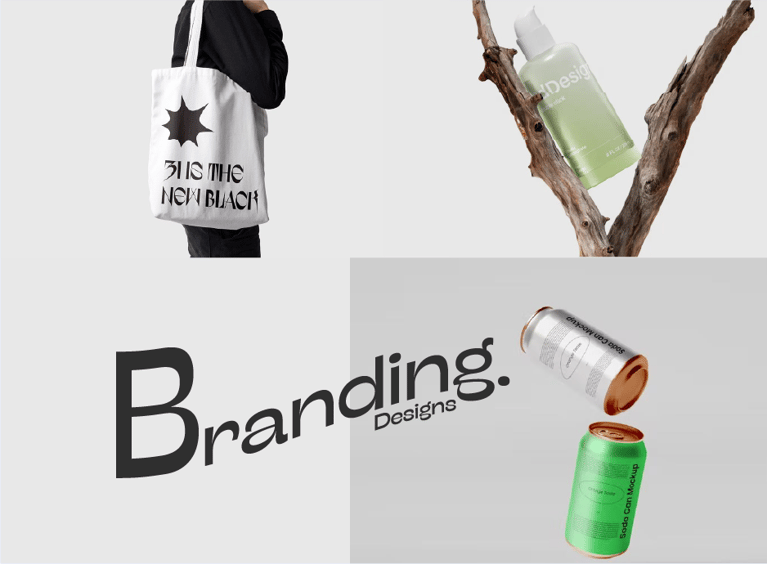
- Branding and logo work
- Social media and advertising creatives
- Print and packaging design
- Illustration and iconography
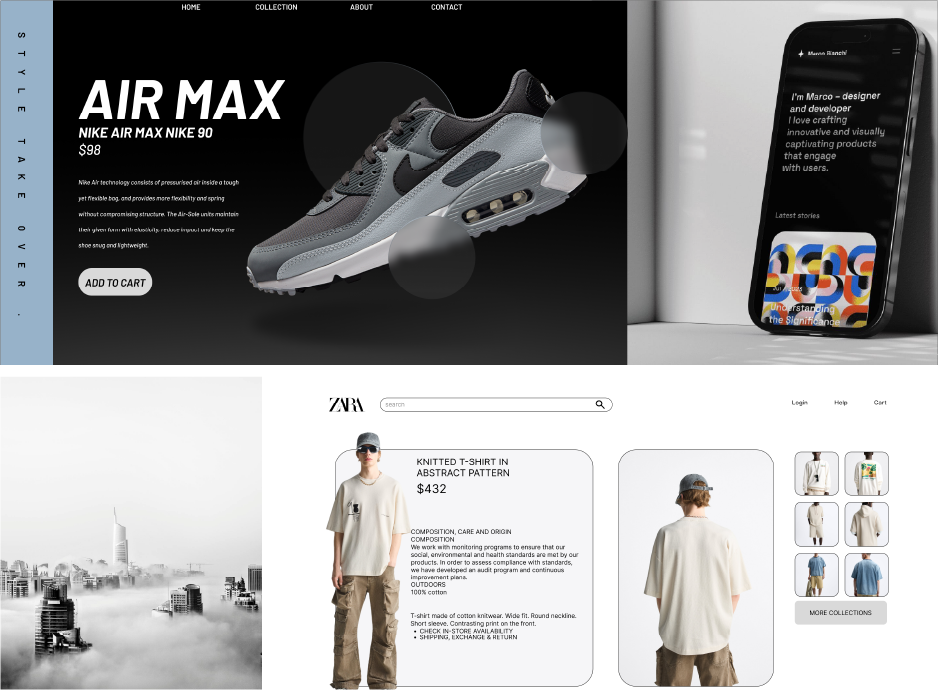
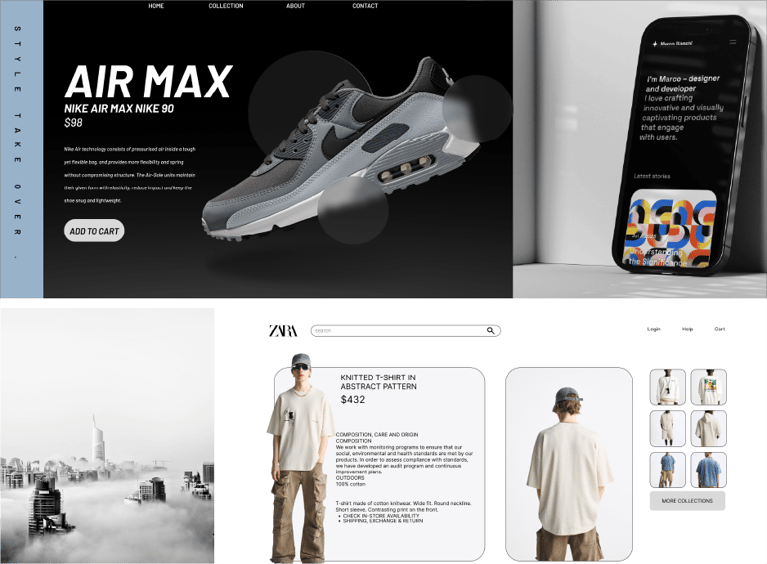
- Basic web page design
- Using AI tools responsibly in a design workflow
If you’re looking at graphic design courses for beginners, check that the first month starts with principles, not software shortcuts. People who skip theory tend to make designs that look busy rather than clear.
Tools You Should Practise On
Ask which tools you’ll actually open in class. A solid line-up includes Adobe Photoshop, Illustrator, and InDesign, plus Figma, Canva, and Adobe Dimension for 3D mock-ups. Newer additions like Adobe Firefly and ChatGPT are now part of how many teams work, so knowing how to use them well, and when not to, is an advantage. You should also learn Behance, because that’s where many employers look at portfolios.
Certificates, Diplomas and What They Prove
Not all credentials mean the same thing. A short graphic design certificate course proves you completed a defined syllabus. A diploma in graphic design online course usually runs longer and covers more tools and projects. When comparing online graphic design courses with certificates, ask:
- Who issues the certificate, and is a university involved?
- Can employers verify it online?
- Does the programme include assessed projects, or only attendance?
- Will you leave with portfolio pieces, not just a document?
A certificate from an institute that can’t be verified carries little weight. Verification matters.
Fees and Duration
Short workshops cost the least but rarely produce a full portfolio. Six-month programmes with mentor feedback cost more and usually work better for career changers. Twelve-month diplomas add depth. For reference, Dice Academy’s average graphic design course fee is around Rs 40,000 for a six-month programme, with scholarships and flexible payment options available. Compare what each fee includes: live classes, mentor feedback, software access, portfolio guidance, and job support. Cheap courses that skip these often turn out to be the expensive ones.
How to Choose a Course
Look for these signs of a serious programme:
- Mentors who have worked as designers, not only taught design
- Live classes or hybrid sessions where you can ask questions
- Feedback on every project
- A portfolio built step by step through the course
- Small batches
- Interview preparation and a placement process you can actually describe
- Class recordings, so you can revisit tricky sessions
Try a demo class first. If the mentor spends the whole time on tool tricks and none on thinking, move on.
Why Dice Academy
Dice Academy’s Graphic Design course is a six-month graphic design certificate course built for beginners and career switchers. It’s available online and in hybrid classes, as well as at its Delhi and Noida branches. Here is what it offers:
- Two-hour classes, two to three days a week
- Training in Photoshop, Illustrator, InDesign, Adobe Dimension, Figma, Canva, and Behance
- AI tools including ChatGPT, Adobe Firefly, Google Gemini, and Nano Banana
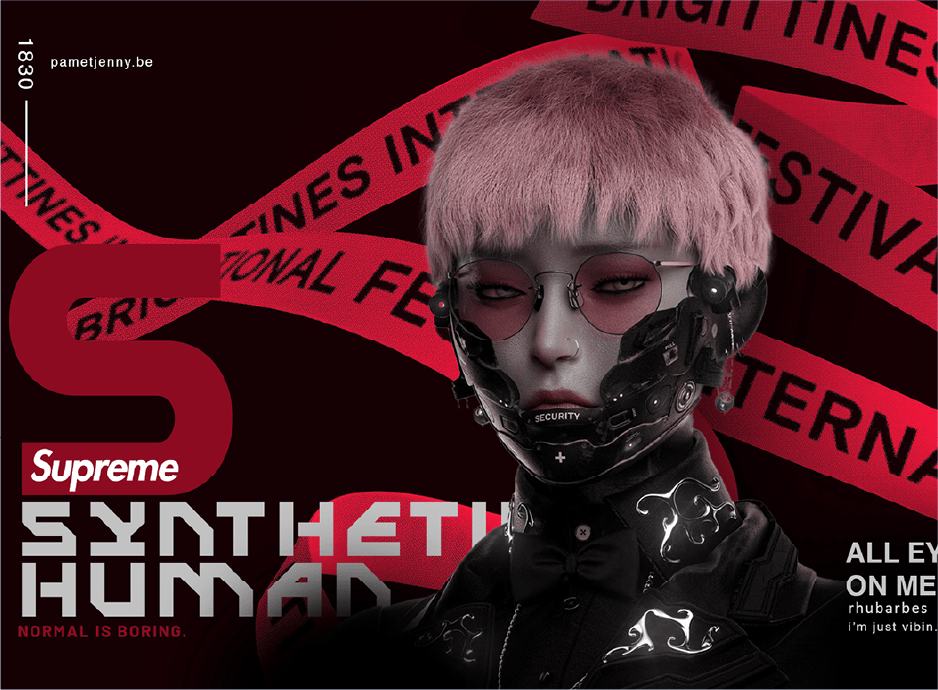
- Projects in photo manipulation, branding, social media creatives, print and packaging, 3D mock-ups, and movie posters
- Mentors with industry experience, reachable beyond class hours
- Assisted portfolio building, one project at a time
- Soft skills training, resume help, and mock interviews
- 100% placement guarantee, with 2,700+ companies in the hiring database
- A diploma with certificates, including an optional Galgotias University certification
No design background is needed. Basic computer, internet, and typing skills are enough to begin.
On the career side, Dice Academy lists an average salary of Rs 3 to 5 LPA for its design graduates. Freshers typically start as design interns at Rs 15,000 to 20,000 a month or as junior designers at Rs 25,000 to 30,000. Over time, the progression looks like this:
| Role |
Experience |
Approximate annual salary |
| Graphic designer |
1–3 years |
Rs 3–5 LPA |
| Senior graphic designer |
3–5 years |
Rs 6–9 LPA |
| Visualiser |
5–7 years |
Rs 10–15 LPA |
| Creative director |
7+ years |
Rs 18–25+ LPA |
These are indicative ranges. Your portfolio will move the number more than any certificate will.
FAQs
Are online graphic design courses worth it?
Yes, if they include live feedback and real projects. Recorded videos alone rarely build a hireable portfolio.
Can a beginner start without drawing skills?
Yes. Design is mostly about communication and layout. Drawing helps, but it isn’t a requirement.
How long does it take to become job-ready?
Around six months of structured training and steady practice is a common timeline.
Will a certificate get me a job?
It helps, but employers hire for portfolios. Use the certificate to support your work, not to replace it.
Does Dice Academy offer placement support?
Yes. It provides a 100% placement guarantee, backed by resume building, mock interviews, and employer connections. Students typically start getting interview calls within about two weeks of submitting their placement application.
Ready to start? Visit dice-academy.com and book a free counselling session to find the right online graphic design course for you.



























BOOK A FREE CONSULTATION