




Modern Web Design Trends and Best Practices
Websites have seen a major evolution in their design over the past several years. Nowadays, website users expect websites to be quick, visually appealing, user-friendly, and easily accessible on all the devices they use to access the web. If a user accesses a website that is poorly designed, they will most likely leave that website quickly; however, if the user is accessing a website that is well designed, they are likely to engage with the site further, convert, and also gain trust in the brand.
In this guide, we will discuss the various trends shaping web design today and the web design best practices each web designer should use.
Importance of Learning Modern Web Design Trends
A website is often the first point of contact for consumers with a brand. If the website has an outdated or confusing design, then the viewer will likely leave the site within a few seconds. Modern web design is focused on three main objectives:
- Providing users with a better user experience (UX)
- Creating a visually engaging User Interface (UI)
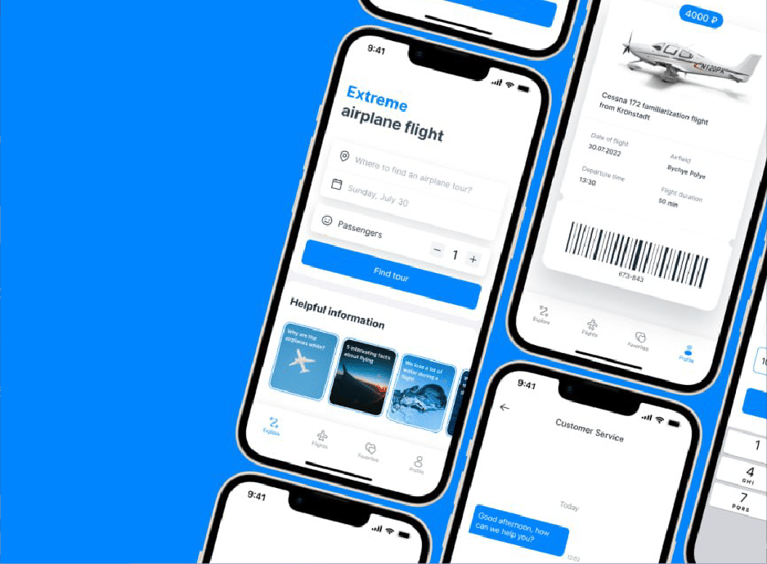
- Providing functionality to the User Interface across all devices
With the intense competition on the web, it is now imperative that businesses stay ahead of their competition by adopting cutting-edge design methodologies in order to be considered relevant in the eyes of consumers.
Trends in Modern Web Design
The following are some of the leading trends in modern web design that have an impact on how websites are designed today:
1. Minimalistic Web Design
Minimalistic web design is still the dominant focus in Web Design. It creates an engaging experience and provides users with a sense of completion and satisfaction when interacting with its features.
2. Minimalist User Experience
The minimalist user experience approach has gained popularity in the design community. This type of design generally involves less clutter, less visual noise, and only the essential elements required for the user to accomplish their task.
3. Responsive Design
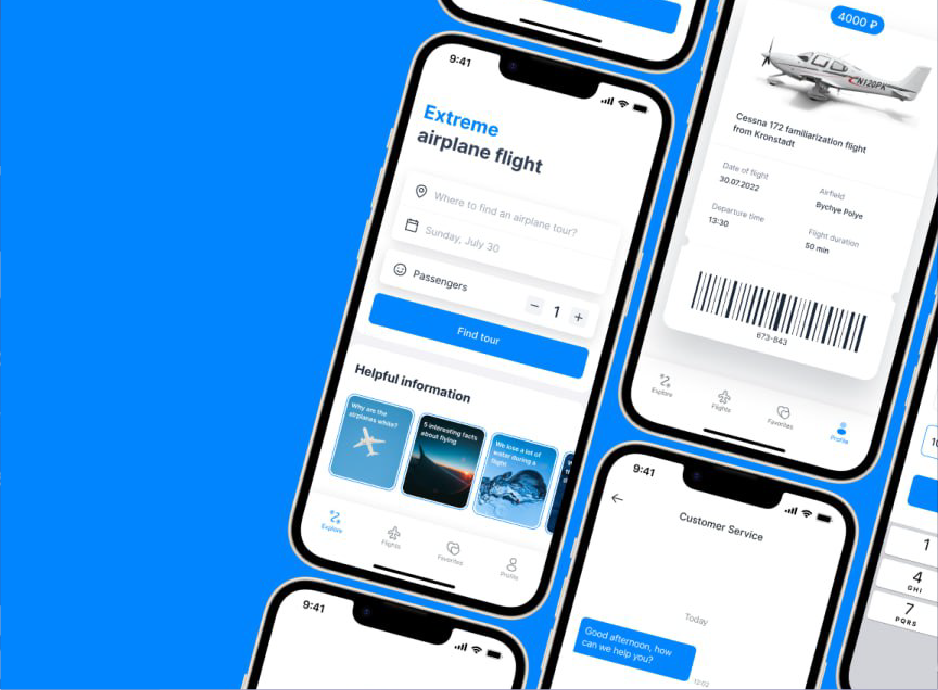
With the rise of mobile devices and tablets being the primary means of accessing the internet, responsive web design (RWD) has become a key feature of most websites. RWD allows a website to adjust to the size of the user's display device and automatically reflow and resize font sizes, images, and graphics.
4. Transparent Navigation
The user’s ability to quickly understand how to find their way around is enhanced by using simple, easily recognizable navigational elements (links, buttons, tabs, etc.) that can be used from any page on the site.
5. Flat Design
Flat design emphasizes simple color selections that have no gradient or shadows. It also emphasizes using less text than previous types of web design.
6. Responsive Websites
Today, responsive websites are designed to automatically resize and reposition themselves to provide the best possible user experience on all devices, including desktops, tablets, smartphones, and even smart TVs.
Best Practices and Trends Combined
While keeping abreast of the latest trends is critical, these should not replace usability. To achieve an effective website, a balance should be established between creativity and function by:
- Following established design principles
- Giving clear navigation
- Only utilizing those current fashions/styles that enhance the user experience
Successful websites provide a modern appearance while still having strong usability. If a design looks good but is difficult to use, it will ultimately fail.
Learn Modern Web Design at Dice Academy
If you are looking for a web design course in Delhi, Dice Academy is a premier option. Here’s what makes their courses worth considering:
- Accessible to Everyone: Options for face-to-face and regular online classes.
- Specialized Mentorship: A team of expert mentors helps build concepts practically.
- Professional Curriculum: Up-to-date training in HTML, CSS, JavaScript, and responsive CMS designs.
- Practical Training: Implementation of real-world problems and challenges.
- Career Support: Assistance through workshops and job fairs to help you find the right organization.
- Affordable Education: Competitive pricing to make quality education accessible.
Conclusion
Web design is always evolving with advancements in technology and consumer expectations. Minimalist layouts, mobile-friendly designs, and dark mode are key examples of current trends. By understanding these trends and adhering to best practices—ensuring adequate performance, consistency, and a strong user experience—designers can develop websites that are both aesthetically pleasing and functionally successful.




.png?width=300&name=small_Chitkara_University%20(1).png)
.png?width=300&name=Clove%20(1).png)




.png?width=146&height=46&name=image%2028%20(1).png)
.png?width=130&height=53&name=image%2027%20(1).png)

.png?width=229&height=20&name=image%2026%20(1).png)





.jpg)





.jpg?width=767&name=movie%20poster%20%20(option%202).jpg)

BOOK A FREE CONSULTATION